


Beyond PSLE results: 6 Islamic reminders for parents
In brief:
- • Examination results do not define a child’s worth. Islam reminds us to value good character, sincere effort and personal growth beyond academic achievements.
- • How parents respond to examination results can shape their child’s experience. Reassurance, patience and understanding can help children navigate both success and disappointment.
-
• Encourage children to recognise their strengths, explore opportunities and move forward with confidence, while placing their trust in Allah s.w.t.
When your child receives their examination results, one of the first things they may look for is your reaction.
Will they see disappointment? Relief? Pride? Or reassurance that, regardless of the results, they are still loved and valued?
For many families in Singapore, the Primary School Leaving Examination (PSLE) represents an important milestone after years of learning, preparation and effort. Parents naturally hope their children will do well and have opportunities to build a meaningful future.
Yet, amid the anticipation of the results, it is worth reflecting on an important question: What do we want our children to learn from this experience, beyond their grades?
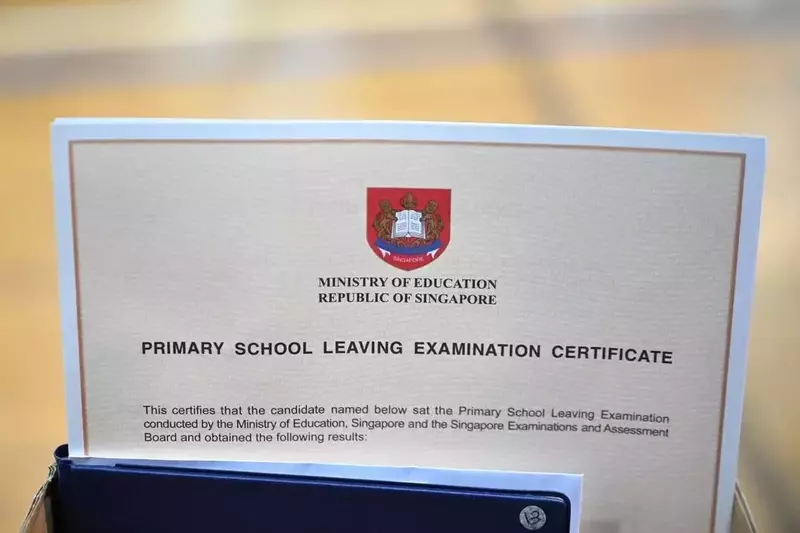
Whether our children achieve the results they hoped for or fall short of their expectations, how we respond can shape their experience. It is an opportunity to nurture gratitude, resilience, compassion and trust in Allah s.w.t.
1. Your child’s worth is greater than their results
When examination results are released, it is easy to become entirely consumed by grades and school placements. While academic milestones are important, they reflect only one facet of a child’s development and potential.
In Islam, a person’s standing before Allah is not determined by academic achievements, titles or worldly status. Allah s.w.t. says,
إِنَّ أَكْرَمَكُمْ عِندَ اللهِ أَتْقَاكُمْ
“Indeed, the most noble of you in the sight of Allah is the most righteous of you.”
(Surah Al-Hujurat, 49:13)
The Prophet s.a.w. further highlighted this standard,
إِنَّ اللهَ لَا يَنْظُرُ إِلَى صُوَرِكُمْ وَأَمْوَالِكُمْ، وَلَكِنْ يَنْظُرُ إِلَى قُلُوبِكُمْ وَأَعْمَالِكُمْ
“Indeed, Allah does not look at your appearances or your wealth, but rather He looks at your hearts and your deeds.”
(Sahih Muslim)
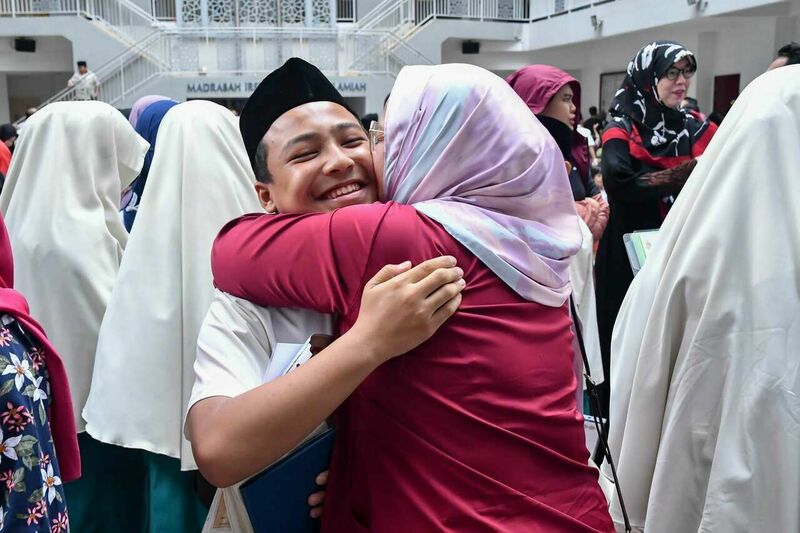
Photo Credit: Islamic Religious Council of Singapore (MUIS)
Academic success is a blessing worth celebrating, but it does not determine a child’s worth. Likewise, disappointing results should never make a child feel less deserving of love or encouragement. Every child has strengths beyond academic performance, including kindness, creativity, leadership or perseverance, that deserve to be recognised and nurtured.
What parents can do:
Remind your child that your love and support do not depend on their academic results. Whether they have done well or are feeling disappointed, reassure them that they are loved and valued. Simple words such as “Your results do not change how much we love you” can make a meaningful difference.
2. Recognise their effort, not just the outcome
Behind every examination result are months of preparation, effort and perseverance. Some children work consistently yet fall short of their expectations; others overcome unseen hurdles that a numerical mark can never fully capture.
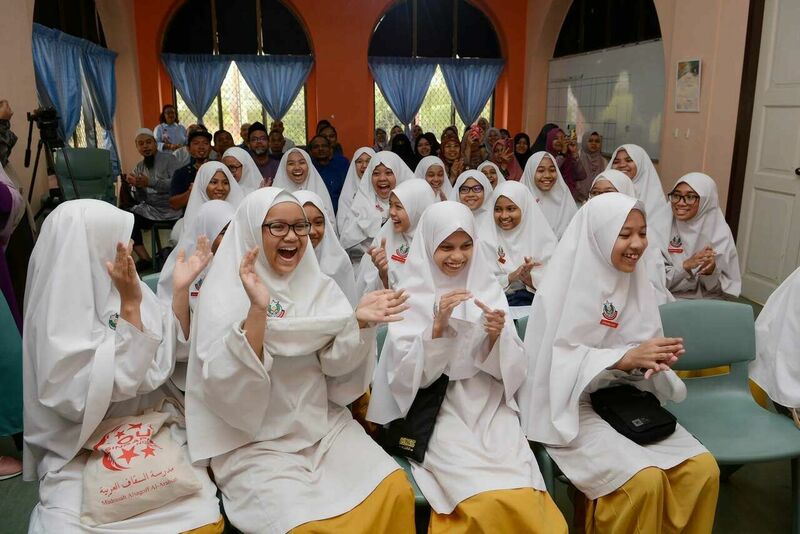
Photo Credit: Islamic Religious Council of Singapore (MUIS)
The Quran grounds our perspective in divine justice and compassion,
وَأَن لَّيْسَ لِلْإِنسَانِ إِلَّا مَا سَعَىٰ
وَأَنَّ سَعْيَهُ سَوْفَ يُرَىٰ
“And that each person will only have what they endeavoured towards, and that their effort will be seen.”
(Surah An-Najm, 53:39-40)
These verses remind us of the importance of our efforts, beyond the outcomes we achieve. For parents, this is an opportunity to recognise the discipline, perseverance and commitment our children have demonstrated throughout their learning journey. While examination results can help identify areas for improvement, acknowledging our children’s efforts can encourage them to keep learning and growing, regardless of the outcome.
What parents can do:
Recognise the effort your child has put into preparing for the examination, whether through consistent revision, seeking help when needed or persevering through challenges. Be specific in acknowledging what they have done well, rather than focusing solely on their grades.
You could also ask, “What are you most proud of?” or “What have you learnt from this experience?” Such conversations encourage children to reflect on their progress and recognise that learning goes beyond examination results.
3. Avoid comparing your child with others
During the examination results season, discussions about scores and school placements are common among families and friends. While parents may naturally wonder how their children have performed compared with others, such comparisons can leave children feeling inadequate or discouraged.
Islam encourages us to appreciate the blessings Allah s.w.t. has given us. In the context of examination results, this means recognising our children’s individual strengths, efforts and progress rather than measuring their achievements against those of their peers.
What parents can do:
Avoid comparing your child’s results with those of their siblings, friends or classmates. Instead, help them recognise their own progress, strengths and areas for improvement. If your child has achieved their desired results, encourage them to celebrate their success with gratitude and humility.
4. Give your child space to process their emotions
Children respond to examination results differently. Some may feel proud and excited, while others may experience sadness, embarrassment or frustration. They may also find it difficult to express what they are feeling.
When our children feel disappointed, we may be quick to offer solutions or reassure them that everything will be fine. However, doing so before acknowledging their feelings may leave them feeling unheard or misunderstood.
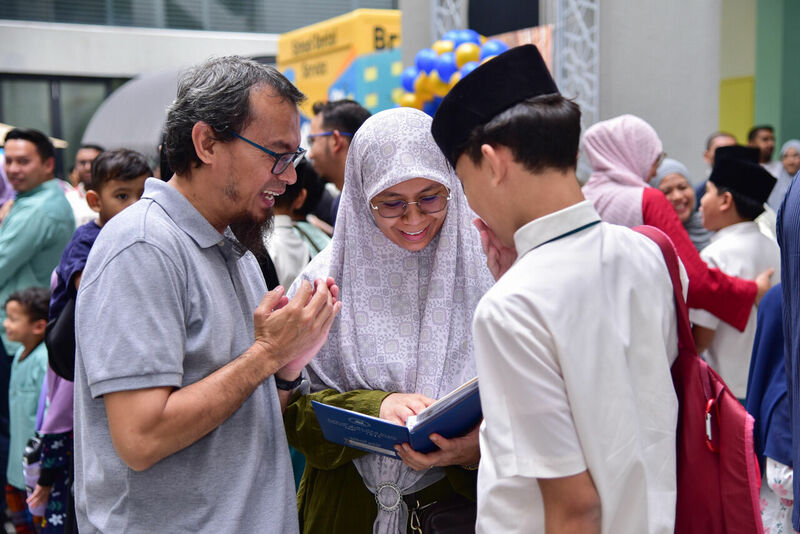
Photo Credit: Islamic Religious Council of Singapore (MUIS)
Islam encourages us to respond to others with compassion and gentleness. The Prophet s.a.w. said,
إِنَّ الرِّفْقَ لَا يَكُونُ فِي شَيْءٍ إِلَّا زَانَهُ، وَلَا يُنْزَعُ مِنْ شَيْءٍ إِلَّا شَانَهُ
“Gentleness is not in anything except that it beautifies it, and it is not removed from anything except that it blemishes it.”
(Sahih Muslim)
What parents can do:
If your child feels disappointed, give them time and space to process their emotions without immediately offering advice or solutions. Some children may wish to talk about their feelings, while others may need more time before opening up. Listen patiently, acknowledge how they feel and offer comfort in ways they are comfortable with.
You might say, “I know you were hoping for a different result. It’s okay to feel disappointed. We can talk about what to do next when you’re ready.”
Where possible, avoid rushing into discussions about school choices or future plans. Sometimes, simply being present and listening can provide the reassurance your child needs.
5. Manage our own expectations as parents
As parents, we may feel anxious or disappointed when examination results fall short of expectations. After investing time, effort and resources in our children’s education, it is natural to hope for a positive outcome.
However, how we respond in that first moment matters. Expressing frustration or disappointment may add to the pressure our children already feel. Responding with patience and reassurance, on the other hand, can help them approach setbacks with greater confidence.
Islam teaches us the importance of sabr (patience), particularly when facing disappointment. The Prophet s.a.w. said,
إِنَّمَا الصَّبْرُ عِنْدَ الصَّدْمَةِ الأُولَى
“True patience is only at the first moment of shock.”
(Sahih Al-Bukhari)
Practising sabr does not mean ignoring our emotions. Rather, it means managing how we respond, especially when we feel disappointed or frustrated.
What parents can do:
Before reacting to your child’s results, take a moment to manage your own emotions, especially if the outcome differs from what you had hoped for. Be mindful of your words, tone and body language, as these can affect how your child experiences the moment.
There will be time to discuss areas for improvement and future plans. For now, focus on responding with patience and understanding.
6. Remember that every child has a different path
For many families, examination results also mark the beginning of important decisions, such as choosing a secondary school or considering the educational pathways available.
Some children may achieve their desired results and progress along their preferred pathways, while others may need to explore alternatives. It is important to remember that a different pathway does not necessarily mean a lesser future.
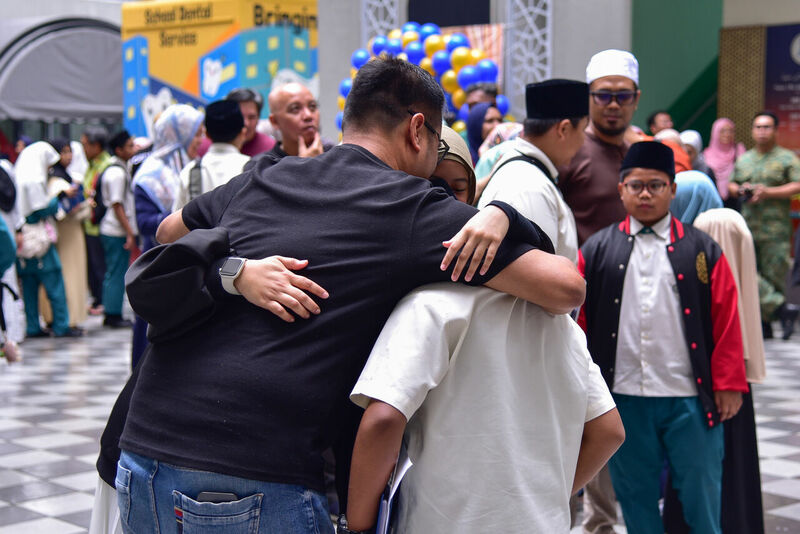
Photo Credit: Islamic Religious Council of Singapore (MUIS)
Islam teaches us to make informed decisions, put in sincere effort and place our trust in Allah s.w.t. This is the essence of tawakkul (trust in Allah): doing what is within our ability while recognising that the outcome ultimately rests with Allah s.w.t.
For parents, this means helping our children explore the opportunities available to them with confidence and an open mind, even when their path differs from what they had initially hoped for.
What parents can do:
Involve your child in exploring the educational options available to them, taking into account their interests, strengths, learning needs and well-being. Encourage them to keep an open mind about the different pathways, even if they do not achieve their preferred outcome.
Reassure them that their examination results or the school they attend do not define their future. What matters is how they make the most of the opportunities available to them and continue learning and growing.
Beyond the results: What will our children remember?
Years from now, our children may not remember every detail of the day they received their examination results. But they may remember how we responded.
They may remember whether we celebrated their efforts, listened when they were disappointed or reassured them when they were uncertain about what came next.
As parents, we have an opportunity to remind our children that examinations are milestones in their educational journey, not the final measure of who they are or what they can achieve.
May Allah s.w.t. grant our children beneficial knowledge, good character and the strength to navigate life’s challenges. May He also grant us the wisdom, patience and compassion to guide them through every stage of their journey. Amin.
Download the MuslimSG app on the App Store & Google Play. Articles on MuslimSG may be reproduced electronically or in print with prior permission from MuslimSG. Proper credit must be given to the author(s) and MuslimSG.
