


Is Kimchi halal?
| Sections: The history and origins of kimchi | Many types of kimchi, different ingredients | The art of traditional kimchi-making (kimjang) | Is kimchi halal? | How to check if kimchi is halal |
In brief:
- • Kimchi can be halal, provided its ingredients and production processes meet halal requirements.
- • Fermentation does not automatically make kimchi non-halal. While small amounts of ethanol may form naturally during fermentation, the Islamic Religious Council of Singapore (MUIS) generally considers fermented products with less than 0.5% ethanol in the final product permissible.
- • Look for recognised halal certification. As ingredients and production methods may vary between products, choosing halal-certified kimchi provides greater assurance that halal requirements have been met.
With Korean dramas, variety shows and films attracting widespread global viewership, kimchi has become more than just a traditional Korean dish. From celebrities enjoying it on screen to families sharing kimchi-based meals in dramas, kimchi has gained recognition far beyond Korea.
As more people become familiar with kimchi, Muslim consumers may wonder: Is kimchi halal? The short answer is that kimchi can be halal, provided it is made with halal-compliant ingredients and processes.
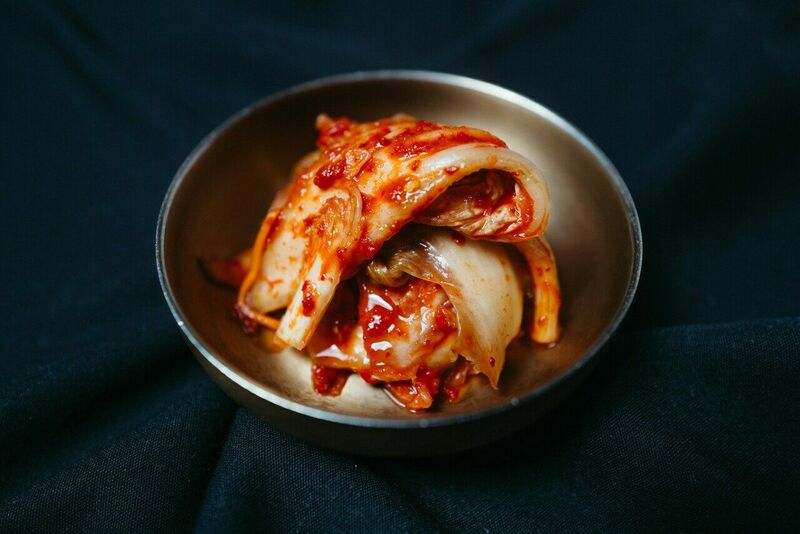
The history and origins of kimchi
Kimchi has a history stretching back more than a thousand years, with its origins commonly traced to Korea’s Three Kingdoms period (57 BCE to 668 CE). Early forms consisted mainly of vegetables preserved through salting and fermentation, allowing communities to store food during the long, harsh winter months.[1]
These early varieties differed considerably from the vibrant red kimchi familiar today. The introduction and growing use of chilli peppers in Korea around the late 16th and 17th centuries gradually transformed kimchi, adding the distinctive heat, colour and flavour that have become synonymous with this iconic Korean dish.[2][3]
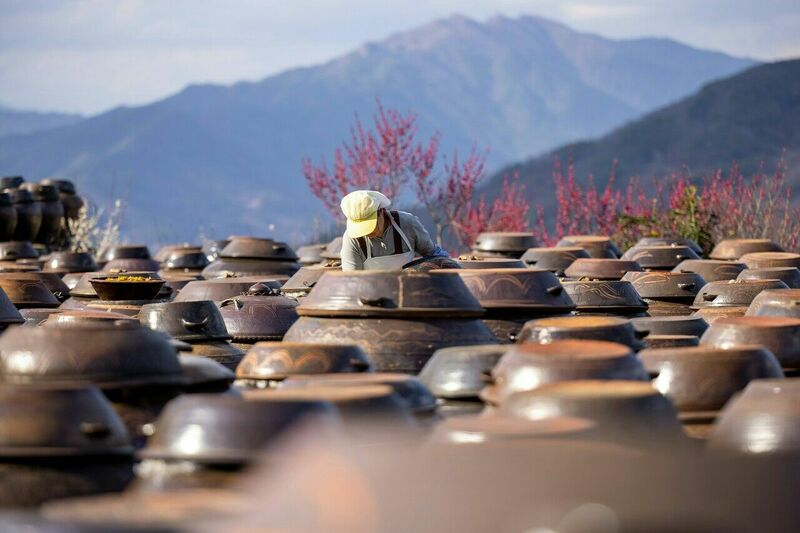
Within Korea, the Jeolla province (Jeollado), particularly South Jeolla (Jeollanam-do), is well known for its richly seasoned kimchi. Its coastal access to seafood and long-standing kimchi-making traditions have contributed to Jeolla-style kimchi’s reputation for its bold, savoury taste.
Many types of kimchi, different ingredients
There are more than 200 varieties of kimchi, shaped by region, season and available produce. Some of the more common varieties include:
Baechu kimchi (napa cabbage kimchi)
One of the most recognisable varieties, baechu kimchi is made by salting napa cabbage before coating it with a seasoning paste containing Korean chilli flakes (gochugaru), garlic, ginger, spring onions and often fermented anchovy or shrimp sauce. It is known for its spicy, tangy and savoury flavour.
Kkakdugi (cubed radish kimchi)
Kkakdugi is made from cubed Korean radish seasoned with chilli flakes, garlic, ginger, sugar and fermented seafood ingredients. It has a crunchy texture and a refreshing, tangy flavour.
Oi sobagi (stuffed cucumber kimchi)
This variety is made by stuffing cucumbers with chives, garlic, chilli flakes and spring onions. It has a crisp texture and is typically enjoyed fresh or lightly fermented.
Baek kimchi (white kimchi)
Unlike the more familiar red varieties, baek kimchi is made without chilli flakes. It typically contains napa cabbage fermented with pear or apple slices, chestnuts, pine nuts, garlic and ginger. It has a mild, refreshing flavour.
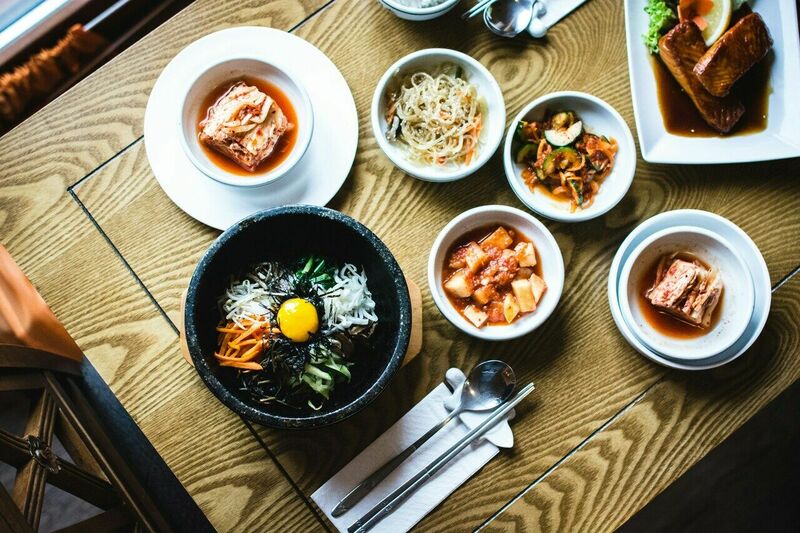
Kimchi can be enjoyed fresh, fermented or cooked, depending on the variety and personal preference. It is commonly served as a side dish alongside rice, noodles and other meals, or used in Korean dishes such as stews, fried rice and pancakes.
While ingredients and seasonings may vary across different types of kimchi, fermentation remains an important part of traditional kimchi-making.
The art of traditional kimchi-making (kimjang)
Traditional kimchi-making, known as kimjang, is more than just food preparation. It is a cultural tradition that brings families and communities together to prepare and share kimchi. In recognition of its cultural significance, the United Nations Educational, Scientific and Cultural Organization (UNESCO) inscribed “Kimjang, making and sharing kimchi in the Republic of Korea” on its Representative List of the Intangible Cultural Heritage of Humanity in 2013.[4]
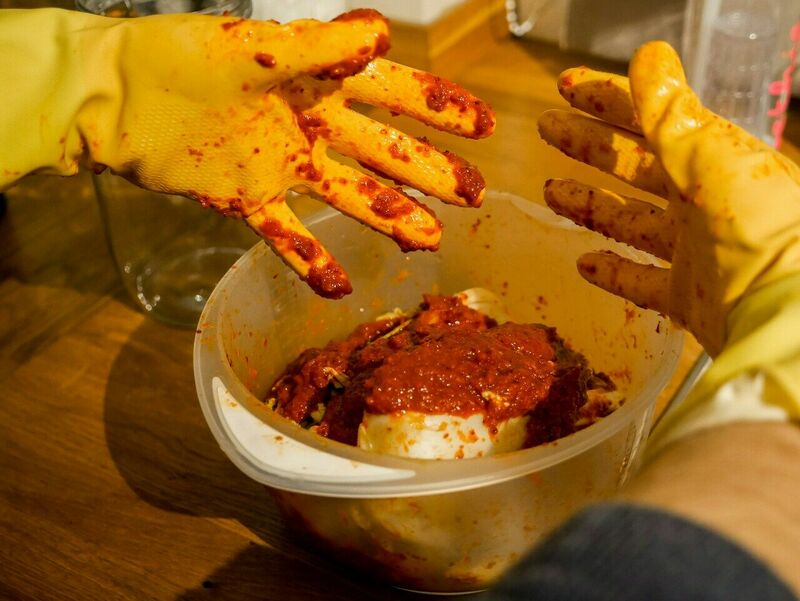
The process typically begins with salting vegetables to draw out moisture, followed by coating them with a seasoning paste made from ingredients such as garlic, ginger and chilli flakes. The seasoned vegetables are then left to ferment, allowing their flavours to develop over time.
Traditionally, kimchi was stored in onggi, earthenware jars that helped maintain suitable conditions for fermentation. The fermentation process gives kimchi its distinctive tangy flavour and plays an important role in how it is preserved.
As fermentation is central to kimchi-making, a common question for Muslim consumers is whether this process affects its halal status.
Is kimchi halal?
It is worth understanding that natural fermentation produces alcohol as a chemical compound in many everyday foods, such as bread, yoghurt, ripe fruit and kimchi. The presence of such alcohol in small amounts has never been the basis of Islamic prohibition.
In Islam, what is prohibited is khamr (intoxicants): substances that intoxicate, produced with the intent to do so. Allah s.w.t. says,
يَـٰٓأَيُّهَا ٱلَّذِينَ ءَامَنُوٓا۟ إِنَّمَا ٱلْخَمْرُ وَٱلْمَيْسِرُ وَٱلْأَنصَابُ وَٱلْأَزْلَـٰمُ رِجْسٌ مِّنْ عَمَلِ ٱلشَّيْطَـٰنِ
فَٱجْتَنِبُوهُ لَعَلَّكُمْ تُفْلِحُونَ
“O believers! Intoxicants, gambling, idols and drawing lots for decisions are all evil of Satan’s handiwork. So shun them so you may prosper.”
(Surah Al-Ma’idah, 5:90)
This distinction is well established in Islamic jurisprudence. Prophet Muhammad s.a.w. himself drank nabidh, a drink made by soaking dates or raisins in water, in its early stages of fermentation, and stopped once it approached the point of intoxication. (Sahih Muslim)
Kimchi undergoes lactic acid fermentation, not alcoholic fermentation. Any trace alcohol that forms is incidental and negligible, bearing no resemblance in process, intent or effect to an intoxicating drink.
In Islamic jurisprudence, this is addressed through the principle of istihlak (dissolution), whereby a substance loses its ruling when it becomes so negligible within a mixture that it can no longer be distinguished. The minute trace of alcohol is overwhelmed by the other ingredients, so it no longer carries the ruling of khamr. For this reason, scholars have concluded that such trace alcohol is permissible.
The presence of naturally occurring ethanol therefore does not necessarily render kimchi non-halal. MUIS’s position is that fermented products with less than 0.5% ethanol in the final product are generally considered permissible, subject to other halal requirements.
How to check if kimchi is halal
Kimchi can be halal, but its halal status depends on the ingredients used and how it is produced. Here are three things to consider when choosing kimchi:
- Check the ingredients: Kimchi may contain fermented seafood sauces and other seasonings, so it is important to ensure that all ingredients are halal-compliant.
- Understand fermentation: Fermentation alone does not render food non-halal. However, the production process and any naturally occurring ethanol must meet applicable halal requirements.
- Look for halal certification: Choosing halal-certified kimchi provides greater assurance that the ingredients and production processes meet halal requirements.
Kimchi is one example of how traditional foods from different cultures can be enjoyed while observing Islamic dietary principles. By understanding what goes into our food and making informed choices, we can explore different cuisines with greater confidence.
References
[1] Lee, C.-H., & Ahn, B.-S. (1995). Literature review on kimchi, Korean fermented vegetable foods – I. History of kimchi making. Journal of the Korean Society of Food Culture, 10(4), 311-319. https://db.koreascholar.com/Article/Detail/253094
[2] National Institute of Korean History. Kimchi. https://contents.history.go.kr/play/view.do?levelId=tz_b27
[3] Kimchi throughout millennia: A narrative review on the early and modern history of kimchi. (2023). Journal of Ethnic Foods. https://pmc.ncbi.nlm.nih.gov/articles/PMC10068239/
[4] United Nations Educational, Scientific and Cultural Organization (UNESCO). (2013). Kimjang, making and sharing kimchi in the Republic of Korea. Representative List of the Intangible Cultural Heritage of Humanity.
Download the MuslimSG app on the App Store & Google Play. Articles on MuslimSG may be reproduced electronically or in print with prior permission from MuslimSG. Proper credit must be given to the author(s) and MuslimSG.
