


5 duas for rain, wind and changing weather in Islam
| Sections: How did the Prophet s.a.w. respond to changing weather? | 5 duas for rain and wind | Trusting Allah while taking precautions |
In brief:
- • Rain and wind are reminders of Allah’s power and mercy, bringing both blessings and challenges.
- • Prophet Muhammad s.a.w. taught supplications for wind, approaching clouds, beneficial rain and excessive rainfall.
- • Reliance upon Allah goes hand in hand with taking practical precautions to protect ourselves and others.
Recent haze conditions in Singapore have left many of us hoping for clearer skies, beneficial rain and favourable winds. While we can take precautions to protect ourselves, the weather remains largely beyond our control.
In Islam, rain and wind are reminders of Allah’s power and mercy. They can bring relief and blessings, but also hardship. Prophet Muhammad s.a.w. taught us to respond to changing weather with hope and humility: to ask for goodness and seek protection from harm.

Allah s.w.t. reminds us that rain and wind are under His command,
اللَّهُ الَّذِي يُرْسِلُ الرِّيَاحَ فَتُثِيرُ سَحَابًا فَيَبْسُطُهُ فِي السَّمَاءِ كَيْفَ يَشَاءُ وَيَجْعَلُهُ كِسَفًا فَتَرَى الْوَدْقَ يَخْرُجُ مِنْ خِلَالِهِ
“It is Allah Who sends the winds, which then stir up vapour, forming clouds, which He then spreads out in the sky or piles up into masses as He wills, from which you see rain come forth.”
(Surah Ar-Rum, 30:48)
وَهُوَ ٱلَّذِي يُنَزِّلُ ٱلْغَيْثَ مِنْ بَعْدِ مَا قَنَطُوا وَيَنشُرُ رَحْمَتَهُۥ
“He is the One Who sends down rain after people have given up hope, spreading out His mercy.”
(Surah Ash-Shura, 42:28)
The Prophet s.a.w. also taught us how to regard the wind. Abu Hurairah r.a. narrated that the Prophet s.a.w. said, in meaning, not to curse the wind, for it comes from the mercy of Allah, bringing mercy at times and punishment at others. Instead, we ask Allah for its good and seek refuge in Him from its evil. (Sunan Abi Dawud; Sunan Ibn Majah)
How did the Prophet s.a.w. respond to changing weather?
Sayyidatina Aisyah r.a. narrated that whenever the Prophet s.a.w. saw clouds approaching, his face would change and he would go in and out. Once rain began to fall, he would feel relieved.
When asked, he referred to the people of ‘Ad, who mistook approaching clouds for rain. Allah s.w.t. recounts their words,
فَلَمَّا رَأَوْهُ عَارِضًا مُّسْتَقْبِلَ أَوْدِيَتِهِمْ قَالُوا هَٰذَا عَارِضٌ مُّمْطِرُنَا
“When they saw it as a cloud approaching their valleys, they said, ‘This is a cloud bringing us rain!’”
(Surah Al-Ahqaf, 46:24)
What they expected as a blessing was a destructive wind. (Sahih Muslim)
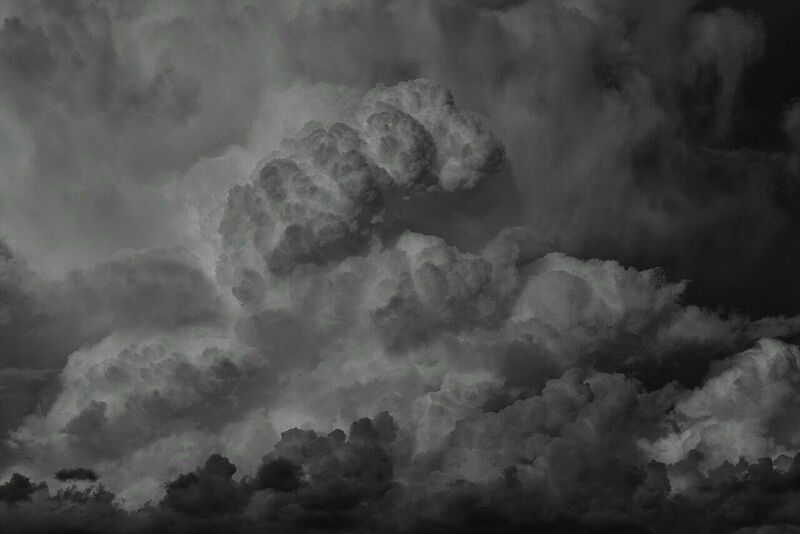
The Prophet s.a.w. taught several supplications that we can recite when experiencing wind, rain and changing weather.
5 duas for rain and wind
1. Seeking goodness in the wind
When strong winds blew, the Prophet s.a.w. would say,
اللَّهُمَّ إِنِّي أَسْأَلُكَ خَيْرَهَا وَخَيْرَ مَا فِيهَا وَخَيْرَ مَا أُرْسِلَتْ بِهِ
وَأَعُوذُ بِكَ مِنْ شَرِّهَا وَشَرِّ مَا فِيهَا وَشَرِّ مَا أُرْسِلَتْ بِهِ
Allahumma inni as’aluka khayraha wa khayra ma fiha wa khayra ma ursilat bihi, wa a’udhu bika min sharriha wa sharri ma fiha wa sharri ma ursilat bihi.
“O Allah, I ask You for the good of this wind, the good within it and the good for which it was sent. I seek refuge in You from its evil, the evil within it and the evil for which it was sent.”
(Sahih Muslim)
During periods of haze, changes in wind direction can affect air quality. This dua reminds us to ask Allah for what is beneficial and seek His protection, recognising that we cannot always predict what the wind may bring.
2. Seeking Allah’s protection when clouds gather
Sayyidatina Aisyah r.a. also narrated that when the Prophet s.a.w. saw approaching clouds, he would seek Allah’s protection,
اللَّهُمَّ إِنَّا نَعُوذُ بِكَ مِنْ شَرِّ مَا أُرْسِلَ بِهِ
Allahumma inna na’udhu bika min sharri ma ursila bihi.
“O Allah, we seek refuge in You from the evil of that with which it is sent.”
(Sunan Ibn Majah)
Clouds may bring rain, but they can also signal approaching storms. This dua reminds us to turn to Allah with humility, even as we hope for favourable weather.
3. Seeking rain from Allah
During a period of drought, a man approached Prophet Muhammad s.a.w. while he was delivering the Friday sermon and asked him to supplicate for rain. The Prophet s.a.w. raised his hands and said,
اللَّهُمَّ أَغِثْنَا، اللَّهُمَّ أَغِثْنَا، اللَّهُمَّ أَغِثْنَا
Allahumma aghithna, Allahumma aghithna, Allahumma aghithna.
“O Allah, send us rain. O Allah, send us rain. O Allah, send us rain.”
(Sahih Al-Bukhari)
This dua reminds us to turn to Allah s.w.t. when rain is needed, seeking His mercy and relief during dry conditions.
4. Asking for beneficial rain
When rain fell, the Prophet s.a.w. would say,
اللَّهُمَّ صَيِّبًا نَافِعًا
Allahumma sayyiban nafi’an.
“O Allah, let it be beneficial rain.”
(Sahih Al-Bukhari)

Rain sustains life and can bring welcome relief, particularly during dry or hazy conditions. Through this dua, we express our hope for rain that nourishes and refreshes.
5. When rain becomes too much
Rain can also bring hardship when it is excessive. The Prophet s.a.w. asked Allah to send rain around, and not upon, the people and their homes,
اللَّهُمَّ حَوَالَيْنَا وَلَا عَلَيْنَا
Allahumma hawalayna wa la ‘alayna.
“O Allah, around us and not upon us.”
(Sahih Al-Bukhari)
This dua reminds us to turn to Allah for relief when heavy rainfall causes difficulties for ourselves and our communities.
Trusting Allah while taking precautions
Reliance upon Allah goes hand in hand with taking practical steps to care for ourselves and others. As weather conditions change, we are reminded to remain mindful of our well-being and that of those around us, particularly the elderly, young children and individuals with health vulnerabilities.
Alongside these efforts, let us continue to turn to Allah through these Prophetic supplications, seeking His blessings and protection.
May Allah s.w.t. grant us beneficial rain, favourable winds and protection from harm. Amin ya Rabbal ‘alamin.
Download the MuslimSG app on the App Store & Google Play. Articles on MuslimSG may be reproduced electronically or in print with prior permission from MuslimSG. Proper credit must be given to the author(s) and MuslimSG.
