


Are all mustards halal?
| Sections: So, is mustard halal? | How can you make an informed choice? |
In brief:
- • Mustard seeds are generally halal, but additional ingredients may affect the halal status of processed mustard.
- • Check for wine, wine-derived vinegar and flavourings, particularly in Dijon mustard, as these may require further verification.
- • Look for a halal logo. If unsure, remember to Check, Ask and Decide before purchasing.
Mustard may look like a simple condiment, but there is more to it than the familiar yellow squeeze bottle! Made from mustard seeds mixed with water, vinegar, salt and spices, it can be smooth or grainy, mild or spicy, and even slightly sweet or tangy.
It is commonly found in sauces, marinades and salad dressings, and alongside favourites like burgers and sandwiches.
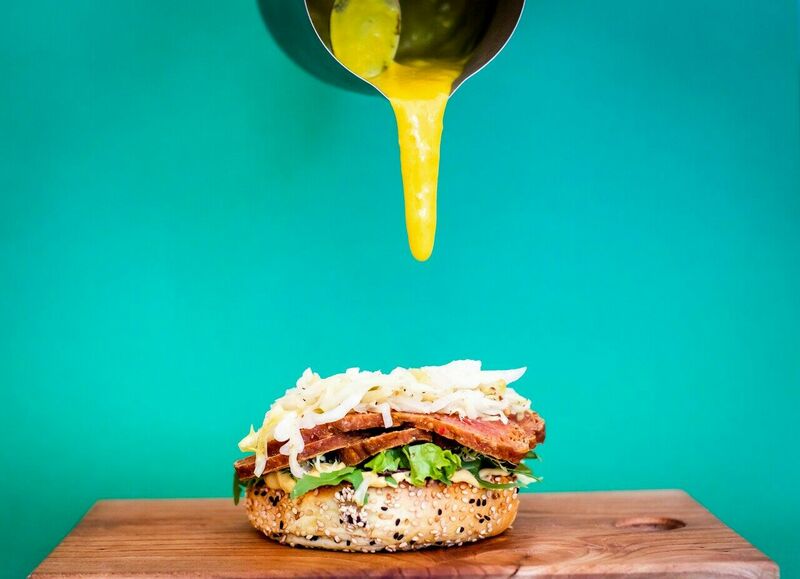
What makes one mustard different from another comes down to the type of seed used, how it is processed and what other ingredients are added. Here are three popular varieties:
- Yellow mustard: Made from finely ground yellow or white mustard seeds mixed with water, vinegar, salt and turmeric, giving it a smooth, mild and tangy flavour with its signature bright colour.
- Dijon mustard: Uses brown or black mustard seeds for a sharper, more distinctive flavour.
- Wholegrain mustard: The seeds are kept whole or partially crushed before being mixed with vinegar and seasonings, giving it a distinctive grainy texture and stronger mustard-seed bite.
While all three start from the same humble seed, the ingredients added can result in very different flavours, textures and appearances.
So, is mustard halal?
Mustard seeds themselves are permissible, so at its most basic, mustard is generally considered halal. However, as with many processed condiments, it is the additional ingredients that require closer attention. Here are some key things to look out for:
- Alcohol and wine-derived ingredients: This is the most common concern, particularly with Dijon mustard. Traditional Dijon recipes may call for white wine, and some commercially produced Dijon mustards still include wine or wine-derived ingredients. Even if the alcohol content appears minimal, the presence of such ingredients may affect the halal status of the product.
- Vinegar: Most mustards contain vinegar, which is generally considered permissible. However, if the vinegar is derived from wine (wine vinegar), this will affect the halal status of the mustard.
- Flavourings: Flavourings are considered high-risk ingredients as they can sometimes be derived from non-halal sources, even if they appear completely harmless on the ingredient label. When in doubt, it is worth reaching out to the manufacturer for clarification.
How can you make an informed choice?
The safest approach is to look out for mustard products that carry a halal certification mark, which provides assurance that the products have been verified.
If the product is not halal-certified, remember to Check, Ask and Decide. Check the ingredient list carefully and seek clarification from the manufacturer if you are unsure about any ingredients. With the right information, you can enjoy your favourite condiments with greater peace of mind.
Download the MuslimSG app on the App Store & Google Play. Articles on MuslimSG may be reproduced electronically or in print with prior permission from MuslimSG. Proper credit must be given to the author(s) and MuslimSG.
