


Are all whey proteins halal?
This article has been vetted by an ARS-certified asatizah.
Protein supplements, such as whey protein powders and ready-to-drink protein beverages, are now a common part of many people’s daily routines. From gym-goers to those pursuing healthier lifestyles, protein powders and drinks are widely used for fitness, recovery and nutrition.
But one question is often overlooked: Is whey protein always halal, and are all protein supplements made from whey?
The answer is not as simple as it seems.
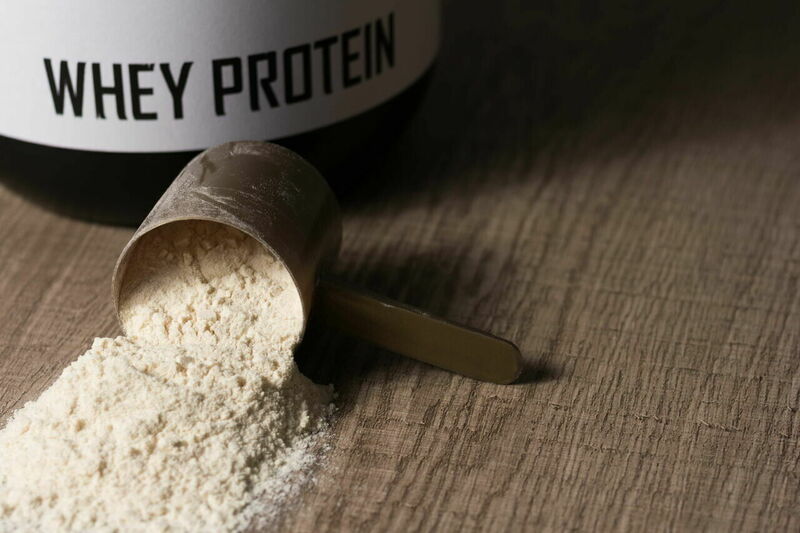
What is whey protein, and how is it made?
Whey protein comes from milk. The journey from milk to powder involves several steps:
1. Milk is collected from cows
2. Enzymes (rennet) are added to begin the cheese-making process
3. Milk separates into curds (used to make cheese) and liquid whey
4. The whey is then collected, filtered, purified and dried into powder
5. Flavourings or other ingredients may be added later in the process
Each of these steps carries its own halal considerations, as we will see.
📖 Read: Are all cheeses halal?
Is whey protein halal?
In general, whey protein can be considered halal. Unlike meat, milk does not involve animal slaughter and is permissible when sourced from non-haram animals. However, the halal status of whey protein goes beyond the source ingredient - it also depends on how it is processed. Below are several points in production where halal concerns may arise.
Potential halal risks in whey protein
1. Enzymes used in cheese production
A significant concern arises at the cheese-making stage. To turn milk into cheese, enzymes are used. These enzymes (also called rennet) can come from:
• Animal sources (e.g. stomach of calves)
• Microbial or plant sources
If animal rennet is used, the halal status depends on whether the animal was slaughtered according to halal requirements. Since whey is a by-product of this same process, the type of rennet used directly affects its halal status.
2. Added ingredients in protein products
Whey protein is often not sold in its pure form. Many products include:
• Flavourings
• Sweeteners
• Emulsifiers
• Stabilisers
Some of these ingredients may come from animal sources or contain alcohol-based carriers, and may therefore require further halal verification.
3. Hydrolysed whey protein
Some whey proteins are further processed to become “hydrolysed whey,” which is easier for the human body to absorb.
However, this step uses additional enzymes, introducing another layer of halal verification, especially regarding the source of those enzymes.
Not all protein drinks are made from whey
Many people assume that all protein supplements come from whey, and thus from milk. However, this is not the case. That said, even for milk-based supplements, consumers should ensure that the milk is sourced from permissible animals.
Beyond milk-based products, a growing category of products, including “clear protein” drinks, protein waters and collagen-based protein drinks, may not contain whey at all.
Collagen-based protein drinks
Some protein supplements use hydrolysed collagen peptides instead of whey protein.
Collagen is a protein found in animal skin, bones and connective tissues. In supplements, it is usually sourced from bovine (cow) materials.
Because collagen comes from animals — not milk — it differs from whey protein in both structure and halal considerations.
For halal consumers, this is important: if collagen is used, the product must come from a halal-compliant animal source and slaughter process. This is why collagen-based protein drinks generally require halal certification.
Whey protein vs collagen protein: what is the difference?
To make things clearer, here is a simple comparison:
| Whey protein | Collagen protein | |
| Source | Milk (dairy) | Animal skin, bones and connective tissue |
| Halal status | Generally halal, but depends on processing |
Requires verified halal animal source and slaughter |
| Certification needed? | Recommended |
Strongly recommended |
Both can be halal, but collagen-based protein products require closer scrutiny and certification due to their animal origin.
Why halal certification matters
Because protein supplements involve multiple ingredients and complex processing, halal certification becomes especially important.
A halal-certified product ensures:
• Ingredients are verified
• Enzymes and processing aids are checked
• There is no contamination with non-halal substances
• The entire supply chain has been assessed for compliance
This gives consumers confidence, especially when products are imported or produced in large industrial facilities.
🔗Visit MUIS website for information on the Singapore halal certification process.
Conclusion
While whey protein may be generally halal, this cannot be assumed in every case. Its halal status depends on how the whey is extracted, what enzymes are used, and how the protein is processed. At the same time, not all protein supplements are made from whey - products using collagen from animal sources require even closer halal attention.
To summarise:
• Protein supplements are not all the same
• Processing matters as much as the ingredients themselves
• Halal certification remains the most reliable assurance
The next time someone asks whether their protein shake is halal, you will know that the answer depends on a lot more than just the ingredients list.
References
1. BSc, K. G. (2023, February 7). Whey Protein 101: The Ultimate Beginner’s Guide. Healthline. https://www.healthline.com/nutrition/whey-protein-101#what-is-it
2. Mirzakulova, A., Sarsembaeva, T., Suleimenova, Z., Kowalski, Ł., Gajdzik, B., Wolniak, R., & Bembenek, M. (2025). Whey: Composition, Processing, Application, and Prospects in Functional and Nutritional Beverages—A review. Foods, 14(18), 3245. https://doi.org/10.3390/foods14183245
3. Titan Biotech Ltd. (2025, December 18). Bovine collagen peptide: an essential ingredient for bones, joints, and skin. Manufacturer & Exporter of Biological Products | Titan Biotech Limited. https://titanbiotechltd.com/blogs/bovine-collagen-peptide/
Articles on MuslimSG may be reproduced electronically or in print with prior permission from MuslimSG. Proper credit must be given to the author(s) and MuslimSG.