


Are all bubble teas halal?
This article has been vetted by an ARS-certified asatizah.
"Want to buy bubble tea?"
We've all been there – that irresistible invitation echoing through office corridors, school canteens, and weekend hangouts with friends. Most of us instinctively reply "Yes, please!" without a second thought. But here's an important question that might make you pause mid-sip: do we really know if all bubble teas are halal?
Before we dive into the halal detective work, let's first understand what we're drinking.
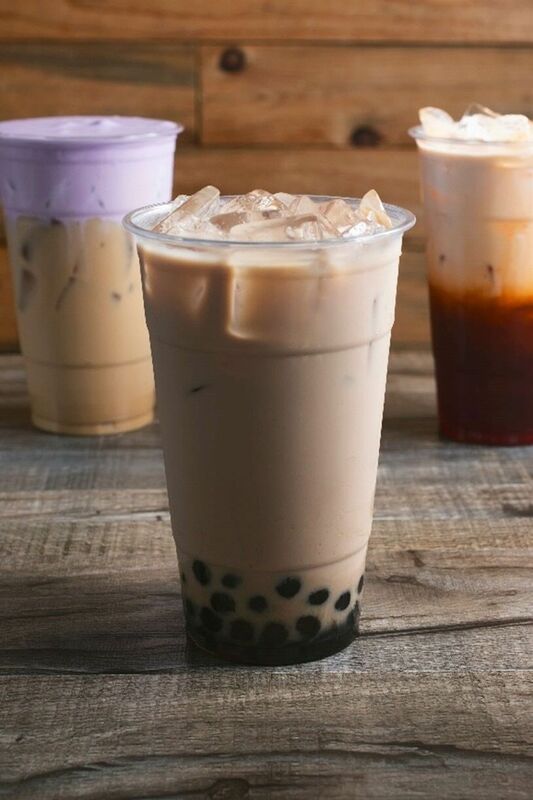
Bubble tea evolution: Simple sips to Instagram-worthy
Remember the late 1990s and early 2000s when bubble tea first became popular in Singapore? Back then, the concept was much simpler. The drinks earned the name "bubble tea" from the chewy tapioca pearls (the "bubbles") that settled at the bottom of each cup.
During those early days, most bubble tea establishments offered ice-blended drinks and basic milk teas with simple flavours like green apple and blue coral. The best part? A cup of bubble tea cost one dollar – quite a contrast to today’s prices!
Today, the bubble tea landscape looks very different. The industry has expanded significantly, with most drinks now ranging from $4 to $8, depending on the establishment and add-ons you choose.
This transformation has been remarkable, with the markets evolving from simple milk teas to Instagram-worthy fancy drinks. Some feature creamy textures, others highlight fruity flavours, and some may even contain alcohol! While this expansion offers exciting variety, it also means we can no longer assume that all bubble teas are halal.
So, what exactly makes some bubble teas potentially non-halal? Let’s break down the ingredients.
The ingredient investigation: What goes into your bubble tea?
Understanding what goes into your favourite bubble tea is the first step in making informed choices. Here's what typically goes into each cup:
• Foundation components
These include milk (dairy or plant-based alternatives), tea bases (black tea, green tea, oolong, or herbal varieties), sugar in various forms and flavours, and natural or artificial flavourings.
• Popular toppings
Pearls represent the classic "bubbles" – available in black or white varieties, typically made from tapioca starch, konjac powder, or agar-agar. Jelly options include grass jelly, coconut jelly, and fruit jellies, though some may contain gelatine. Read more about gelatine and halal guidelines. Pudding varieties range from egg pudding to taro pudding and other creamy options.
• Important considerations
Some specialty or adult-oriented bubble tea variants contain alcohol, which significantly affects their halal status.
From this ingredient overview, it becomes clear that not all bubble teas meet halal requirements. While alcohol presents an obvious concern, other ingredients may also raise questions depending on their sources and processing methods.
Read: What is halal?
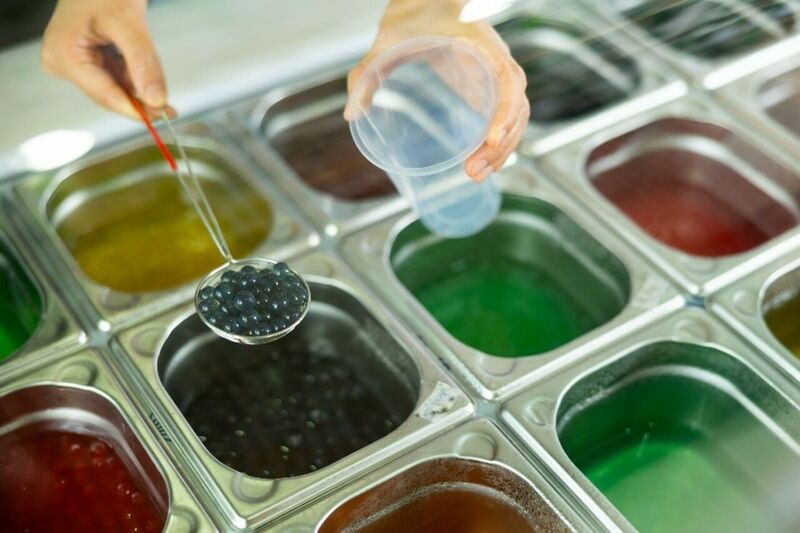
Making halal bubble tea choices: Check, ask and decide
The good news is that you can still enjoy bubble tea! Here's a practical three-step approach for making informed halal choices:
Step 1: Check (be your own detective)
Some bubble tea establishments display their halal certification prominently – these are your safe havens where you can order with confidence. When certification isn't visible, it's time to channel your inner Sherlock Holmes.
Start by familiarising yourself with common bubble tea ingredients such as tea leaves, milk types, and sweetener options. Observe the counter area to identify the ingredients and brands being used. You'd be amazed how much you can learn from this simple observation. Recognising familiar, trusted brands can give you valuable clues about the drink's halal status.
Step 2: Ask (communication is key)
When in doubt, ask questions. Most bubble tea staff are happy to help, and many establishments respond promptly to enquiries made in advance through direct messages or emails.
Here are some strategic questions to help you gather the information you need. Start with: "Is this particular drink suitable for vegetarians?" This helps identify any animal-derived ingredients that might be problematic. Follow up with: "Does it contain alcohol or any alcohol-based ingredients?" This ensures you know exactly what’s in your drink.
These questions are perfectly reasonable and show that you're making informed choices about what you consume.
Step 3: Decide (power is in your hands)
With the information you've gathered, make the decision that aligns with your values and dietary requirements. Consider your comfort level with the answers you've received and choose accordingly.
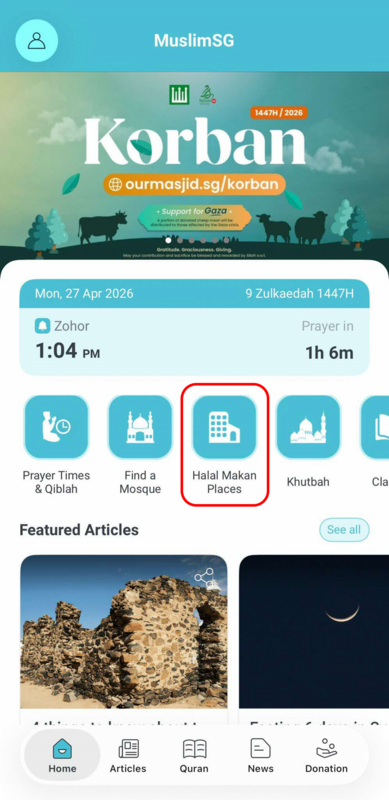
| 💡 Search for halal-certified bubble tea shops under 'Halal Makan Places' on MuslimSG app, available on the App Store and Google Play. |
Pro tip: Stick to the classics when unsure
Sometimes, the best strategy is keeping things beautifully simple. Plain tapioca pearls paired with basic milk tea typically contain straightforward ingredients. Fresh fruit tea with real fruit pieces is generally a safe choice and offers refreshing flavours too!
These time-tested favourites remain popular because they're simple, tasty, and usually made with ingredients you can easily identify and trust.
Bottom line: Sip smart, sip happy
The good news is that bubble tea can certainly be halal – it simply requires being an informed consumer. The trick is in asking the right questions and choosing establishments that are transparent about their ingredients.
So, the next time someone asks, "Want to buy bubble tea?" you'll know exactly how to navigate your options. Armed with your three-step approach – check, ask, and decide – you can explore the wonderful world of bubble tea while staying true to your dietary requirements.
Remember the golden rule: when in doubt, just ask! Taking that extra moment to check will help you enjoy your bubble tea with complete peace of mind.
Read: Common questions about halal and halal certification in Singapore
Articles on Muslim.Sg may be reproduced electronically or in print with prior permission from Muslim.Sg. Proper credit must be given to the author(s) and Muslim.Sg.