


Keys to a Ramadan reset
| Sections: Gratitude | Ihsan | Giving | The beautiful integration | Conclusion |
Bismillah.
How many years have we been experiencing Ramadan? Let me rephrase, how many years has Allah gifted us with one of the most beautiful gifts called Ramadan? A gift so beautiful that the gates of heaven opened and the gates of hellfire closed during this period. Let us take a moment to reflect and cultivate gratitude for this beautiful gift.
That moment when the azan for Maghrib finally calls and our hands reach the dates across the break fast tables, there is something profound happening. Beyond physical relief, beyond gratitude for food, there is a deeper inner stirring. A spiritual impact that only Ramadan brings. SubhanAllah. I have been thinking about how Ramadan does this to us. It strips away all the noise and brings us back to what truly matters, even for a flicker of a moment.
What if this Ramadan becomes different? What if instead of treating Ramadan like a spiritual marathon to survive, we embrace it as Allah s.w.t. intended; a mercy, a gift, a chance to become who we were always meant to be, a step towards being among the righteous (al-muttaqun).
The Quran and Sunnah consistently point us to three beautiful values that can transform not just our Ramadan, but also our entire lives; gratitude, ihsan (graciousness) and giving. Nothing complicated, nothing overwhelming. Just three timeless principles that our beloved Rasulullah s.a.w. embodied in every moment of his blessed life.
Gratitude

“Alhamdulillah” - we say it so often, but when does it truly come from the depths of our hearts? Not the automatic response when someone asks how we are, but rather that overwhelming recognition of Allah’s endless mercy that brings tears to our eyes.
Consider this: Every morning, Muslims around the world wake up for sahur. Some have tables full of food, others have just water and dates, and some survive sahur with nothing on the table. Yet, ma sya Allah, the blessing is not only in the quantity, but also in the invitation itself. Allah s.w.t. has invited us to be His special guests this month. He has given us health to fast, family to share break fast meals with, and most importantly, iman in our hearts.
The Prophet s.a.w. taught us:
“He who does not thank people, does not thank Allah.”
(Sunan At-Tirmidhi)
SubhanAllah, this hadith transforms our understanding of gratitude. It is not just a private feeling between us and our Creator; it is meant to overflow into every interaction, every relationship.
This Ramadan, before breaking fast each day, try pausing for just a moment. Not rushing to the food, but sitting with that slight discomfort, that anticipation. In that pause, remember three blessings from the day. Perhaps it was the shade that appeared just when the sun was unbearable. Perhaps it was the strength to hold your tongue when provoked, or perhaps it was simply waking up with iman still in our hearts, a blessing many pray for, but not all are able to appreciate.
Watch how this simple practice transforms everything. Suddenly, Allah’s mercy becomes visible everywhere. In the colleague who offers to cover during prayer time. In the rain, that cools the earth just before break fast. In the child who understands when you say, “Mak is fasting”. We are literally swimming in an ocean of blessings, but often we are too distracted to notice.
And SubhanAllah, when gratitude flows outward, it transforms homes and hearts. Thank the spouse who wakes up at 4 a.m. to prepare sahur. Appreciate the children who try their best to understand why everyone is a bit tired (and cranky). Acknowledge the parents whose duas have carried us through life. Thank yourself for striving to be better despite the challenges! These simple acts of recognition create ripples of barakah that extend far beyond Ramadan.
Read: What is gratitude in Islam?
Ihsan
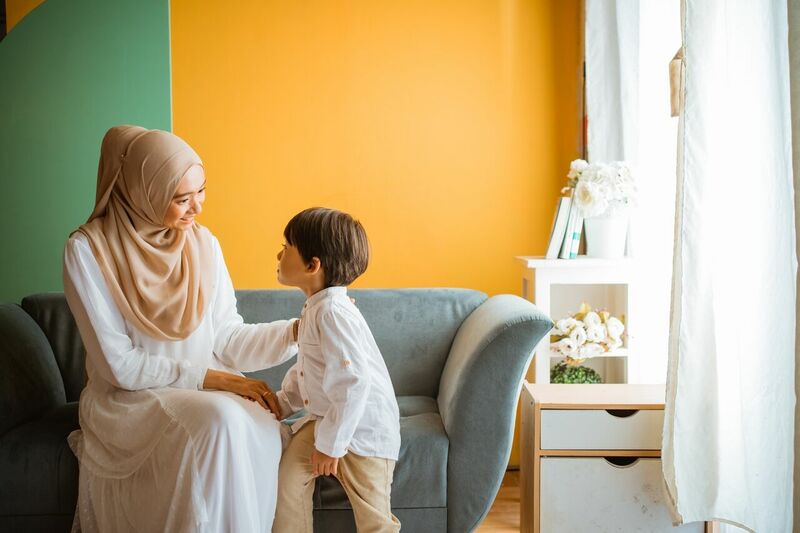
The concept of ihsan is breathtaking in its depth. The Prophet s.a.w. defined it as worshipping Allah s.w.t. as if you see Him, and though you do not see Him, know that He sees you. This consciousness, this awareness, changes everything. It brings graciousness to life.
Think about it: He sees you in that traffic jam, dying of thirst, when someone cuts into your lane. He sees you when harsh words are spoken and you choose silence instead. He sees you at 4 a.m. when you leave your warm bed for tahajjud, though no one else knows or cares. He sees that your Ramadan might not look like the Ramadan of others. Allah s.w.t. sees the internal jihad that no one else witnesses.
The Prophets s.a.w. gave us a powerful reminder: “Whoever does not give up false speech and acting upon it, Allah has no need of his giving up food and drink”. Fasting is not just about hunger and thirst; it is about transformation. Our fasting extends to our tongues; no backbiting, no lies, no vulgarities, not even those ‘harmless’ complaints. It reaches our eyes, turning away from what does not benefit our akhirah. It encompasses our hearts, cleansing them from envy, anger, and the disease that eat away our souls.
When faced with provocation during fasting hours, the Prophet s.a.w. taught us to simply say, “I am fasting”. However, this is not just about avoiding arguments, it is a reminder that we are in a state of worship. Every moment of patience, every act of kindness despite exhaustion, every gentle word when choosing harsh ones is easier, every restrain from engaging with sins, every tear from holding onto Allah s.w.t; all of it is ibadah. And clearly, any ibadah done in Ramadan is as special as the blessed month itself.
Ramadan offers a golden opportunity for reconciliation. Those family members who have not spoken in months or years, what better time to rebuild those bridges? That friend where things went wrong, perhaps it is time to let go of pride and reach out. Ihsan means being the first to forgive, even when you were the one wronged. It means choosing mercy when you have every right to be angry.
In our homes, ihsan transforms ordinary actions into worship. Helping with household chores becomes an act of love. Speaking gently despite hunger becomes a form of dhikr. Showing extra patience with children and elders becomes a means of drawing closer to Allah s.w.t. At work, maintaining excellence even while fasting, helping struggling colleagues, keeping promises despite exhaustion - all of this is ihsan in practice.
Let your character during Ramadan reflect the best version of yourself, and a reminder of who you really can be outside Ramadan. Be present with your beautiful character, an embodiment of the qualities of our beloved Prophet s.a.w.
Read: The virtue of ihsan in the life of a Muslim
Giving
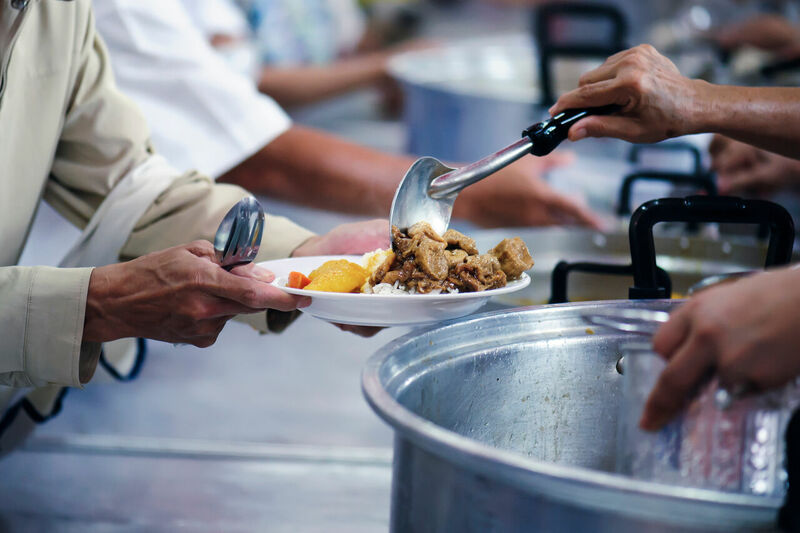
Ibn Abbas r.a. described the Prophet’s generosity in Ramadan as being like a “fast wind”. If we ponder upon the words of the hadith, we will find that wind does not discriminate; it touches everyone in its path. This is the spirit of Ramadan giving that we are called to emulate.
Allah s.w.t. promises in the Quran:
مَّثَلُ ٱلَّذِينَ يُنفِقُونَ أَمۡوَٰلَهُمۡ فِي سَبِيلِ ٱللَّهِ كَمَثَلِ حَبَّةٍ أَنۢبَتَتۡ سَبۡعَ سَنَابِلَ فِي كُلِّ سُنۢبُلَةٖ مِّاْئَةُ حَبَّةٖۗ وَٱللَّهُ يُضَٰعِفُ لِمَن يَشَآءُۚ وَٱللَّهُ وَٰسِعٌ عَلِيمٌ
“The example of those who spend their wealth in the cause of Allah is that of a grain that sprouts into seven ears, each bearing one hundred grains. And Allah multiplies ˹the reward even more˺ to whoever He wills. For Allah is All-Bountiful, All-Knowing.”
(Surah Al-Baqarah, 2:261)
SubhanAllah, this divine calculation defies our normal way of seeing things. Give one, receive seven hundred or more in return. Not because Allah s.w.t. needs our charity, but because He wants to purify our hearts from the grip of dunya and fill them with the sweetness of generosity.
When we place our zakat into deserving hands during this holy month, we witness something beautiful unfold. The gratitude in a mother's eyes as she can finally provide for her children, the relief of an elderly person who can afford their medication, the hope that blooms in a student who can continue their education. These moments remind us that our wealth is not merely our own, but a trust from the Almighty to be shared with wisdom and love. In giving, we discover that we receive far more than we offer: a purified heart, a strengthened community, and the profound peace that comes from knowing we have answered Allah’s call.
Pay your zakat here.
Every day of Ramadan presents opportunities for giving. And remember, giving is not limited to money. The Prophet s.a.w. taught us that even a smile is charity. Teaching someone to recite the Quran properly. Helping a neighbour with heavy groceries. Removing something harmful from the path. Listening to someone who needs to talk. All of it counts. Involving children in acts of giving is an investment for a lifetime of generosity. Let them help pack break fast bags for distribution. Have them choose toys to donate. Show them the joy that lights up faces when help arrives unexpectedly. These experiences shape hearts and build the next generation of generous Muslims, in sya Allah.
The beauty of Ramadan giving lies not in grand gestures but in consistency and sincerity. Sponsoring breaking fast meals at the mosque without wanting recognition. Secretly paying for someone's groceries. Being a part of someone’s Hari Raya preparations. Sending money to those in need without them knowing the source. These hidden acts of generosity are especially beloved to Allah s.w.t.
And crucially, let Ramadan be the beginning, not the peak, of generosity. Set up automated monthly donations that continue throughout the year. Commit to regular volunteer hours. Sponsor an orphan's education. Let the spirit of Ramadan giving become a permanent part of life, not just a seasonal practice.
Read: 3 good deeds with unlimited rewards
The beautiful integration
These three values: gratitude, ihsan, and giving; they are not separate categories but intertwined elements in our lives, connected doors to Allah’s redha. Gratitude naturally births graciousness. Graciousness makes giving effortless. In addition, giving multiplies gratitude in ways that complete this beautiful circle.
The path forward does not require overwhelming ourselves with countless goals. Small, consistent steps create lasting change. Perhaps this week, it is consciously saying “Alhamdulillah” with a genuine feeling. Next week, it looks like adding conscious kindness even when hungry. The following week, ensuring daily acts of charity, however small.
Sincerity in intention is everything. This transformation is not for social media, is not for community recognition, and is not even for family approval. It is for that intimate connection with Allah s.w.t. It is for the peace that comes from alignment with our fitrah. It is for the contentment that only comes from living according to His guidance.
Conclusion
Allah s.w.t. does not demand perfection. He created humans with our struggles, our failures, our constant need to return to Him. What He asks for is effort, sincerity, and the willingness to keep trying even when we fall short.
There will be days when patience runs out minutes before breaking our fast. Days when gratitude feels forced. Days when giving feels like a burden. This is the nature of the human journey. The Prophet s.a.w. reminded us that the most regular constant deeds are deeds loved most by Allah even though they may be few.
Let this be the Ramadan when something fundamental shifts. Where gratitude becomes our default lens through which life is viewed. Where ihsan becomes the natural response to all situations. Where giving becomes not an obligation but a joy, a means of drawing closer to Allah s.w.t.
May Allah s.w.t. accept every moment of hunger, every second of thirst, every act of patience, and every tear of repentance. May He forgive all the Ramadans that passed without real change. May He make us among those who emerge from this month with clean slates and softened hearts. May our families feel the peace that comes from hearts connected to Allah s.w.t.
A blessed Ramadan to every soul seeking closeness to Allah s.w.t. May this be the beginning of a beautiful, lasting change.
And Allah knows best.
Articles on Muslim.Sg may be reproduced electronically or in print with prior permission from Muslim.Sg. Proper credit must be given to the author(s) and Muslim.Sg.